
For Children
SPEECH THERAPY
According to the Scientific Association of Speech and Language Therapists of Greece (SELLE), Speech Therapy is the scientific field that studies, researches, and applies scientific knowledge related to human communication—voice, speech, and language (oral and written), non-verbal communication, and related disorders, as well as disorders of oropharyngeal swallowing functions.Some of the main goals of Speech Therapy include prevention, assessment, diagnosis, and rehabilitation.
Speech-language therapists provide specialized services for individuals with:
- Developmental speech disorders
- Developmental language disorders
- Learning difficulties
- Feeding and swallowing disorders (dysphagia)
- Voice disorders
- Craniofacial anomalies
- Head and neck surgeries (e.g., laryngectomy)
- Neurogenic disorders and syndromes
- Stroke-related language disorders (aphasia)
- Traumatic brain injuries

Speech therapy helps children communicate more effectively and efficiently, strengthen their language system (e.g., sentence structure, vocabulary), and restore any speech difficulties (e.g., articulation errors, stuttering, cluttering). We provide prevention, assessment (standardized tools), and therapeutic intervention (techniques) services for preschool and school-age children across a wide range of difficulties related to communication, language, and speech. Parents participate in the therapeutic process and are guided on how to help their child cultivate or strengthen communication skills and overall improve the quality of their interactions with adults and peers.
Goals of Speech Therapy for Children:
- Strengthening existing skills
- Acquire new skills that will help them communicate more effectively and efficiently
- Develop their language system (e.g., new vocabulary, semantic connections, longer sentences, better level of expression and language use)
- Handle language sounds with skill (e.g., clear articulation)
- Be confident speakers with deep contextual understanding in order to appropriately adjust their communication
CO-THERAPY
Modern knowledge about the nature of difficulties in children with neurodevelopmental disorders has led therapists to use co-therapy for more effective and comprehensive treatment of cases. The term co-therapy refers to the coexistence of two therapists with a shared strategy regarding therapeutic intervention and case management. Co-therapy can be applied and is particularly beneficial in early intervention for children who present neurodevelopmental disorders and is the result of a broader interdisciplinary approach (speech therapist, occupational therapist, psychologist, special educator).

Co-therapy sessions are implemented after careful selection of children based on criteria related to their developmental and age level, and how they could function within a group.
Benefits of Co-Therapy:
- Improvement of children is enhanced through the combination of information and knowledge from different specialties. Therapists discuss and analyze goals and the therapeutic plan, evaluating the children’s progress on a weekly basis.
- The ability to generalize emerging skills is promoted. The aim is for the child to functionally integrate a new skill across different environments and in different situations/with different people in daily life.
- Therapists are given the opportunity to express their feelings and thoughts, share ideas, and guide each other during periods of goal redefinition.
- Parents feel that it is a more complete and effective program for their child, as improvement occurs and skills are simultaneously generalized within the group.
EARLY INTERVENTION
Early intervention is defined as the system of opportunities and experiences provided to infants, toddlers, and their families with neurological, neurodevelopmental, or metabolic disorders. It is based on evidence-based interventions (EBRs) that promote neuroplasticity. It operates functionally (focusing on deficits), preventively (targeting areas that have not developed as expected), psychoprotectively (including the family), and systemically (integrating all systems in the child’s and family’s life) (Handbook of Developmental Disabilities, Samuel L. Odom, Robert H. Horner, Martha E. Snell, 2005).
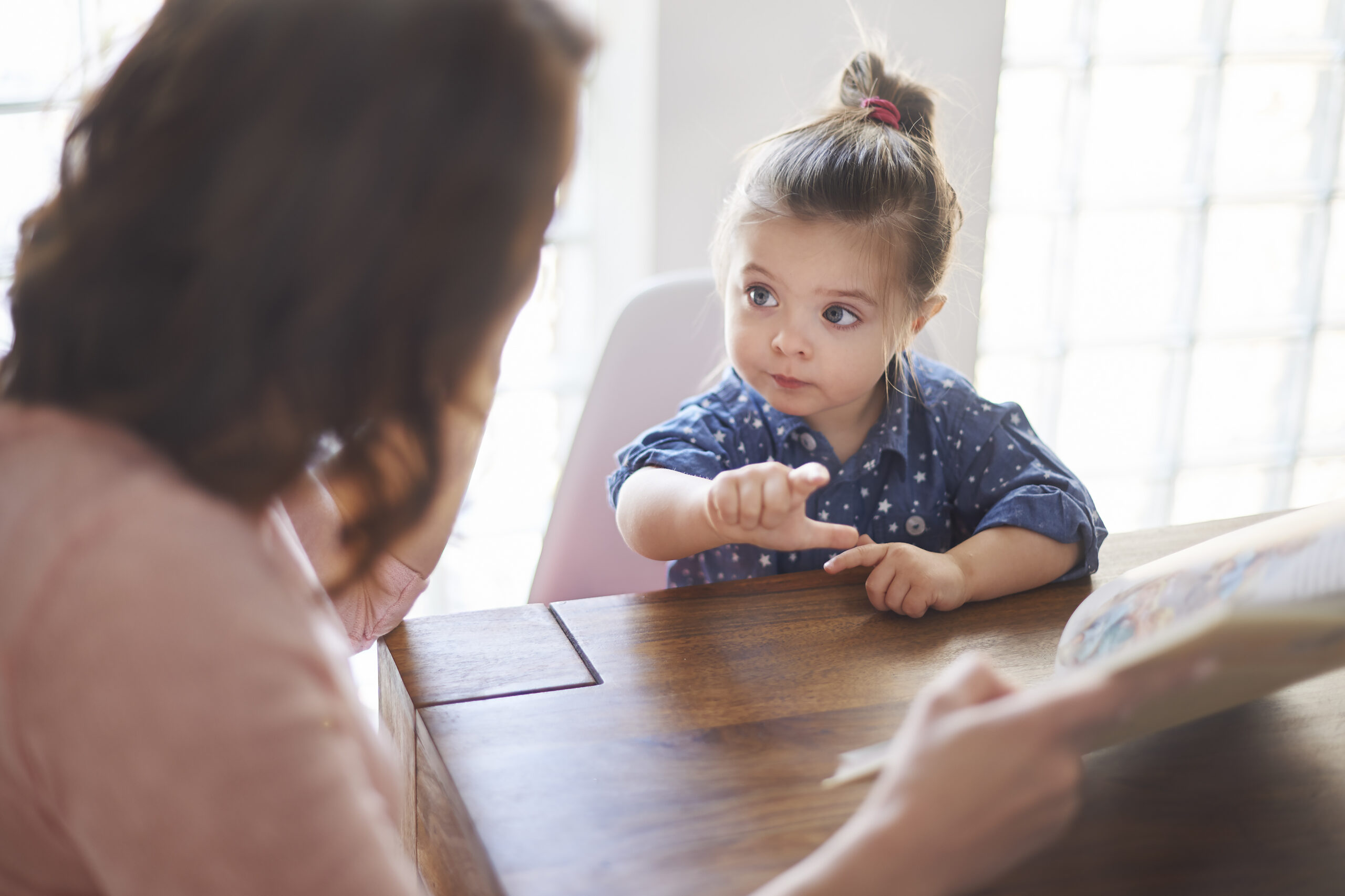
Its goal is the early and comprehensive support of the child and their family, in order to strengthen basic skills and lay the foundation for a smooth developmental trajectory. Through individualized, scientifically based interventions, the child is supported in developing all skills, gradually gaining greater autonomy and independence using naturalistic approaches (NDBI). The goal is always common: to offer the child the opportunity to fully develop their potential and enjoy a life of quality and balance.
Indicative references:
With the first signs of deviation, therapy should begin
Rogers, et al.,2012
Design of appropriate developmental therapeutic planning
Smith et al., 2015
PSYCHOEDUCATIONAL PROGRAM FOR CHILDREN AND ADOLESCENTS
The psychoeducational program is aimed at children and adolescents who present developmental and/or learning difficulties, with the goal of strengthening learning mechanisms and their overall functionality. The program is based on individualized interventions, adapted to the cognitive, emotional, and educational needs of each child or adolescent.
The intervention begins with a comprehensive assessment, through which skills, abilities, and difficulties are explored in all areas of development. In collaboration with the family and school, an individualized intervention program is designed, adapted to the child’s developmental profile and learning pace.

Sessions take place weekly and last 45 minutes. Particular emphasis is placed on emotional and social development, with the goal of improving emotional regulation, communication, self-esteem, and social adaptation. At the same time, basic cognitive skills are strengthened, such as attention, memory, thought organization, study skills, and problem-solving.
Overall, the psychoeducational program aims to improve cognitive, emotional, and social functioning, reduce difficulties such as anxiety or behavioral issues, and strengthen the child’s or adolescent’s self-confidence and adaptability, supporting a smooth and balanced developmental trajectory.
The program is addressed to children and adolescents with:
- Attention Deficit Hyperactivity Disorder (ADHD)
- Learning Difficulties
- Autism Spectrum Disorders (ASD)
- Behavioral difficulties
- Social or emotional difficulties
- Intellectual disability
GROUP PROGRAMS FOR CHILDREN AND ADOLESCENTS
Speech Therapy Group Programs
Speech therapy group programs are an organized and targeted form of therapeutic intervention, where two or more children participate simultaneously in therapeutic activities under the guidance of the speech therapist. The main goal is the development and enhancement of children’s language, communication, and social skills, within a natural, interactive, safe, and supportive framework.
The speech therapist designs the intervention according to the profile and needs of the group’s children, ensuring a balance between therapeutic progress and group dynamics. Some of the goals are:
- Development of communication skills: strengthening the ability to initiate, maintain, and complete dialogue, understanding and using non-verbal communication.
- Enhancement of social skills: learning conversation rules, turn-taking, cooperation, conflict resolution, and group interaction.
- Expansion of the language system: enrichment of vocabulary, improvement of grammar and syntactic structure, longer sentences, better expression and language use in natural communication contexts.
- Development of oral speech and narrative ability: organization of thought, formulation of complete sentences, development of narrative continuity.
- Strengthening self-esteem and self-confidence: participation in the group helps children express themselves confidently and regulate their communication with others.
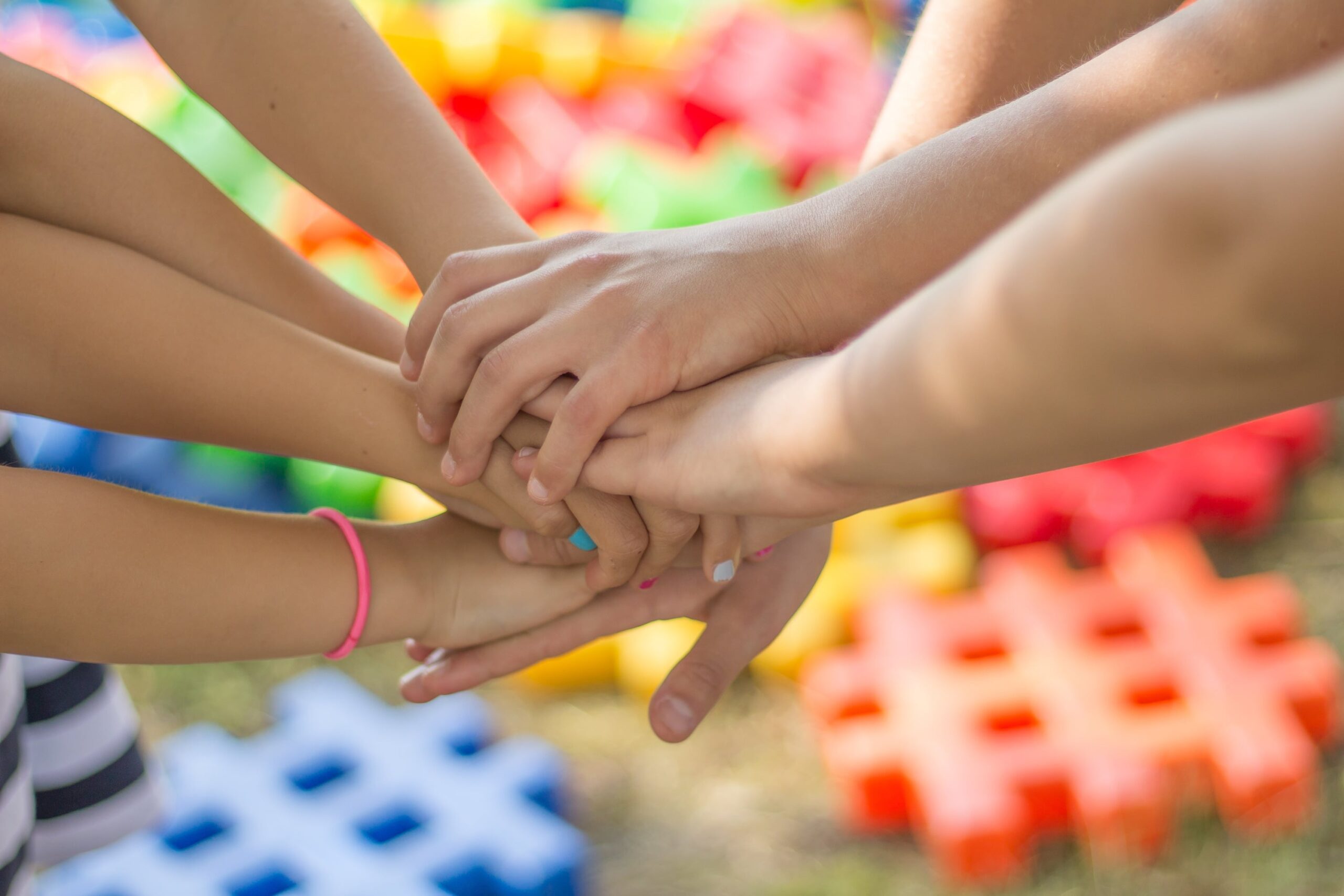
Group speech therapy offers multiple advantages both in learning and emotional development:
- It provides a natural communication setting where goals are practiced through peer interaction.
- It enhances generalization of skills developed in individual sessions, as children apply what they learn in real social contexts.
- It creates motivation through cooperative games and activities, increasing willingness to communicate.
- It strengthens empathy, acceptance of diversity, and cooperation.
- It promotes autonomy and responsibility, as each member takes a role in the group and contributes to its dynamics.
The correct composition of the group is crucial for the success of the intervention. The speech therapist considers the following criteria:
- Age and developmental stage: children should be at a similar cognitive and psychosocial level.
- Common therapeutic needs: children with comparable language or communication profiles are selected, so that goals are achievable and beneficial for all.
- Level of cooperation and behavior: criteria such as attention skills, acceptance of instructions, and tolerance for group work play an important role.
- Motivation for participation: the positive attitude of the child and the family towards participation in the group enhances the effectiveness of the therapy.
- Complementarity with individual sessions: in many cases, group therapy works in combination with individual sessions for a more comprehensive intervention.
PSYCHOEDUCATIONAL GROUPS OF SOCIAL AND EMOTIONAL SKILLS
Through small groups (2 to 5 members), children/adolescents have the opportunity to strengthen social, communication, and emotional skills necessary to effectively manage their social environment. Another goal is the generalization of skills taught in individual sessions.

These goals are achieved through techniques such as modeling, role-playing, play, analysis of social scenarios, social stories, visual schedules, visual rules, and feedback from the therapist and other group members.
The content is designed based on the specific characteristics, needs, and preferences of each group, and may focus on skills such as:
- Non-verbal communication (e.g., interpretation of body language)
- Conversation skills (e.g., initiating and maintaining dialogue)
- Behavior (social rules depending on context and setting)
- Emotional awareness (e.g., recognition and expression of emotions)
- Theory of Mind (e.g., empathy, understanding others’ perspectives)
- Self-awareness (e.g., strengthening self-confidence)
- Play skills (e.g., coping with losing, promoting cooperation, developing imagination)
- Problem-solving (e.g., conflict management, bullying)
The selection of group members is based on their developmental and age level, as well as the cohesion and overall functionality of the group.
CHILD & ADOLESCENT PSYCHOTHERAPY
During their development, children and adolescents may face difficulties that affect their emotional, social, or school functioning. Early identification and appropriate support contribute substantially to strengthening their mental health and shaping a balanced adult life.
Individual psychotherapy for children and adolescents is conducted in weekly sessions lasting 45 minutes and is based on the principles of Cognitive Behavioral Therapy (CBT). At the same time, techniques from other scientifically evidence-based approaches, such as Applied Behavior Analysis (ABA) and Play Therapy, are utilized, adapted to the developmental needs of each child or adolescent.

The therapeutic relationship is built on trust, acceptance, and empathy, creating a safe space for expression. In addition, there is close collaboration with parents and, where necessary, with the school environment, so that the skills developed in therapy are effectively transferred to everyday life.
The goal of individual psychotherapy is to enhance self-regulation, self-confidence, and interpersonal relationships, as well as to improve the management of everyday challenges.
Psychotherapeutic support is addressed to children and adolescents experiencing:
- difficulties in emotional regulation
- behavioral problems
- fears and anxiety
- low self-esteem
- school bullying
- depressive mood
- difficulties in relationships and socialization
- sleep problems
- enuresis or encopresis
- aggressive or self-harming behaviors
ONLINE SESSIONS
Online speech therapy sessions are addressed to children, adolescents, and adults and constitute a modern and scientifically established form of remote speech therapy services, delivered through secure video-conferencing platforms.
The speech therapist assesses and intervenes in speech, language, voice, and communication difficulties using interactive material adapted to the age and needs of the client.
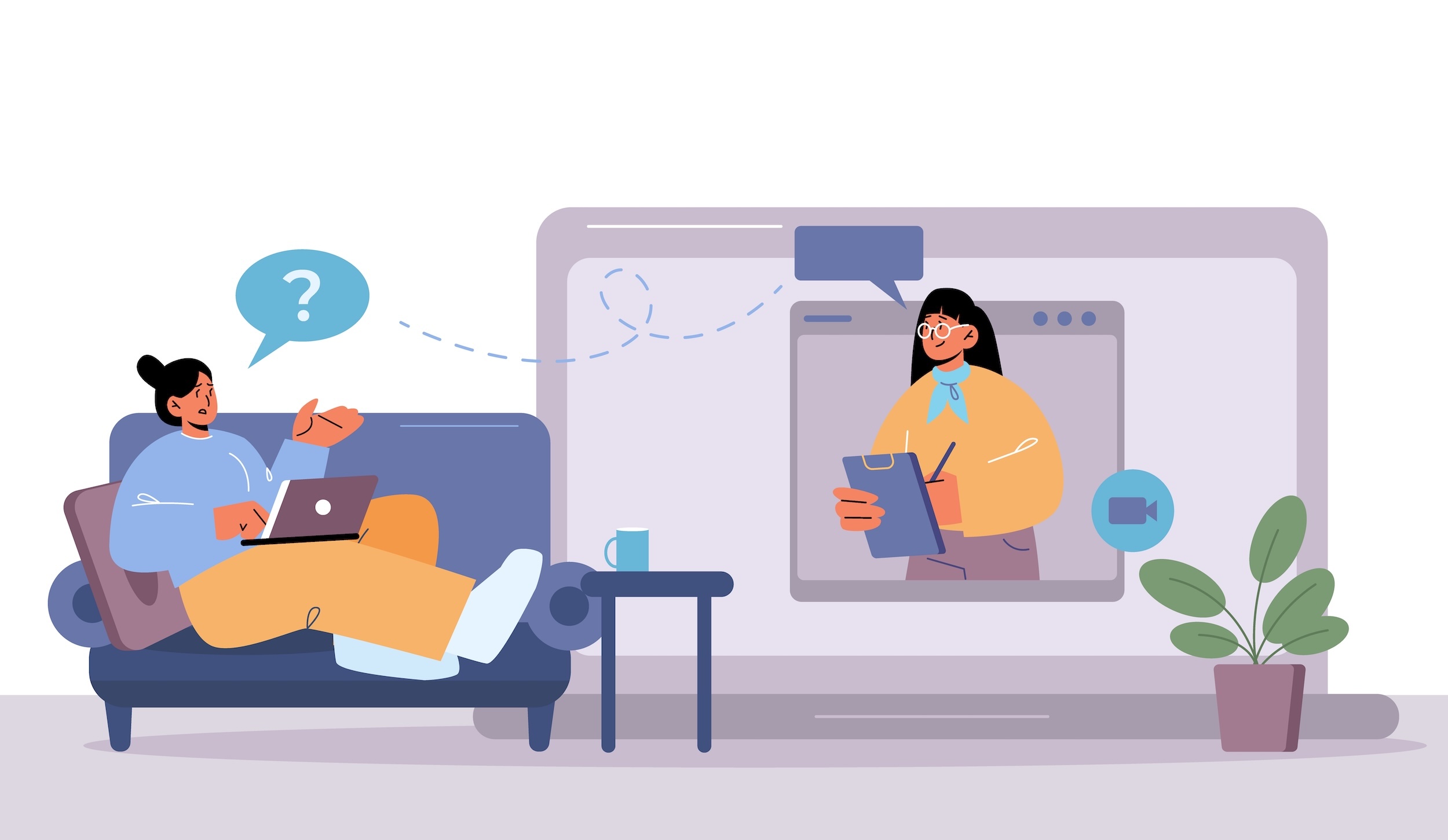
For the smooth delivery of the session, a stable internet connection, a computer or tablet with a camera and microphone, and a quiet, appropriately arranged space without distractions are required. The duration of the session is usually 45 minutes, a sufficient time frame to achieve therapeutic goals while maintaining the client’s attention and participation. Sessions are scheduled on a fixed day and time, as with in-person sessions at the clinic.
FOR PARENTS
FAMILY COUNSELLING
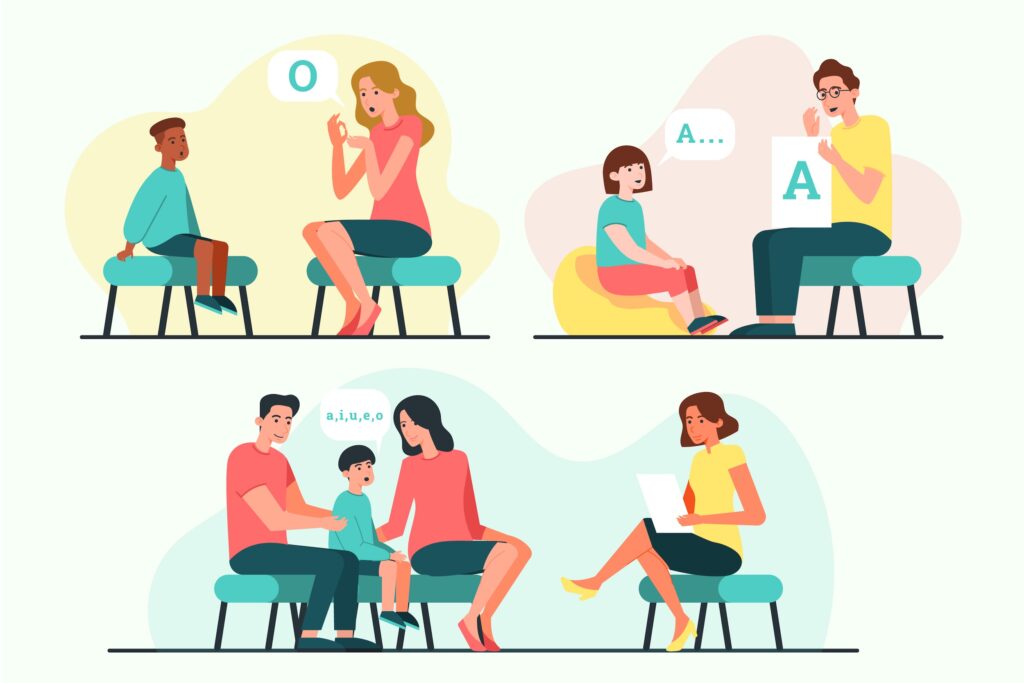
Parent counseling is a key pillar of family support and aims to strengthen the parental role. Through this process, parents are supported in gaining a deeper understanding of their child’s needs, improving communication with them, and responding consistently and calmly to the developmental challenges of childhood and adolescence.
When a child or adolescent is receiving therapeutic intervention, active parental participation is essential for maintaining and generalizing therapeutic outcomes in the child’s natural environment. Meaningful involvement contributes to stability, consistency, and a better understanding of the child’s needs.
Counseling sessions are usually held twice per month, depending on each family’s needs. The participation of both parents is considered particularly important, as it strengthens a shared approach and the sense of security the child needs.
Family counseling is addressed to families seeking support in areas such as:
- strengthening the parental role and adapting parenting practices
- managing difficult and challenging behaviors
- guidance in managing the child’s emotions
- improving communication and strengthening the parent–child relationship
- managing conflicts within the family
- support during periods of change and transitions
- setting boundaries and rules
- daily routine issues (sleep, nutrition, screen time, routines)
REPORT WRITING, PROGRESS REPORTS, AND SCREENING TESTS
The service of writing initial assessments for children and adolescents includes the systematic and multifactorial evaluation of their current developmental status, in cooperation and consultation with parents. Through the initial assessment of the child or adolescent, strengths and difficulties are explored using scientific criteria across key developmental domains, such as emotional functioning, cognitive development, social behavior-pragmatics, communication (speech, language, speech production), as well as overall personal and psychosocial development.
As part of the assessment process, various screening and psychometric tools may be administered when deemed necessary. Indicatively, the ANOMILO 4 screening test of the Hellenic Speech Therapists Association (PSL) is used, which is a standardized tool for screening language skills in preschool and early school-age children. This test evaluates areas such as receptive and expressive language, vocabulary, and phonological awareness, contributing to the early identification of possible language difficulties.
In addition, the Draw A Person (DAP) test is administered, which is based on the drawing of a human figure and provides indications regarding cognitive level, maturity, as well as aspects of the child’s emotional state and self-perception. The DAP is used as a complementary tool, offering qualitative information that completes the overall clinical picture, functioning as a measure of intelligence. Screening tests do not replace diagnostic tools and cannot provide diagnoses.
Following the assessment, an official written report is prepared, presenting the results of the evaluation and providing evidence-based recommendations for individualized interventions and therapeutic programs, aiming to enhance developmental skills and maximize the child’s or adolescent’s potential.
In addition, progress reports can be issued at regular intervals for children and adolescents already participating in an intervention program. These reports document developmental progress, presenting the child’s/adolescent’s developmental profile, while also including clear and practical recommendations for the family and school environment, with the aim of more effectively supporting the child’s developmental course.
Assessments and progress reports constitute an essential tool both for formal and documented communication with parents and educators, as well as for interdisciplinary collaboration with public and private professionals such as developmental pediatricians, child psychiatrists, and educational support services (KEDASY), contributing to appropriate planning and more effective support of the child and the family system.
PARENT PSYCHOEDUCATION PROGRAM
Parent training supports appropriate interaction with the child and includes psychoeducation regarding the child’s difficulties or typical development, as well as methods of support.During the process, the therapist observes parent–child dynamics and patterns of interaction, records them, and helps improve parent–child communication through a wide range of interaction techniques, such as modeling, expansion, repetition, imitation, communicative gestures, playful tone, body language, etc., promoting communication in a natural and enjoyable way.
Active parental participation is crucial for the success of the intervention, as demonstrated by international research. The training is also intended for other family members or the child’s caregivers.